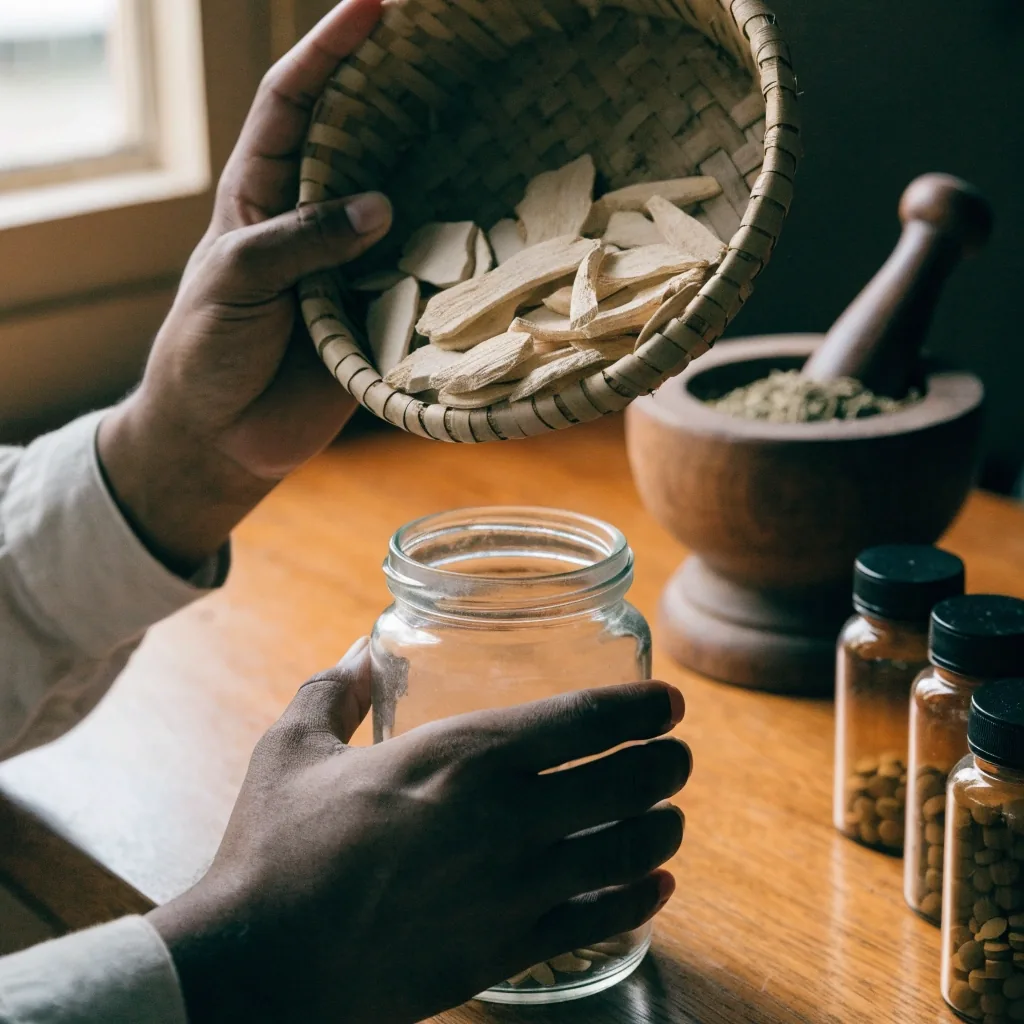
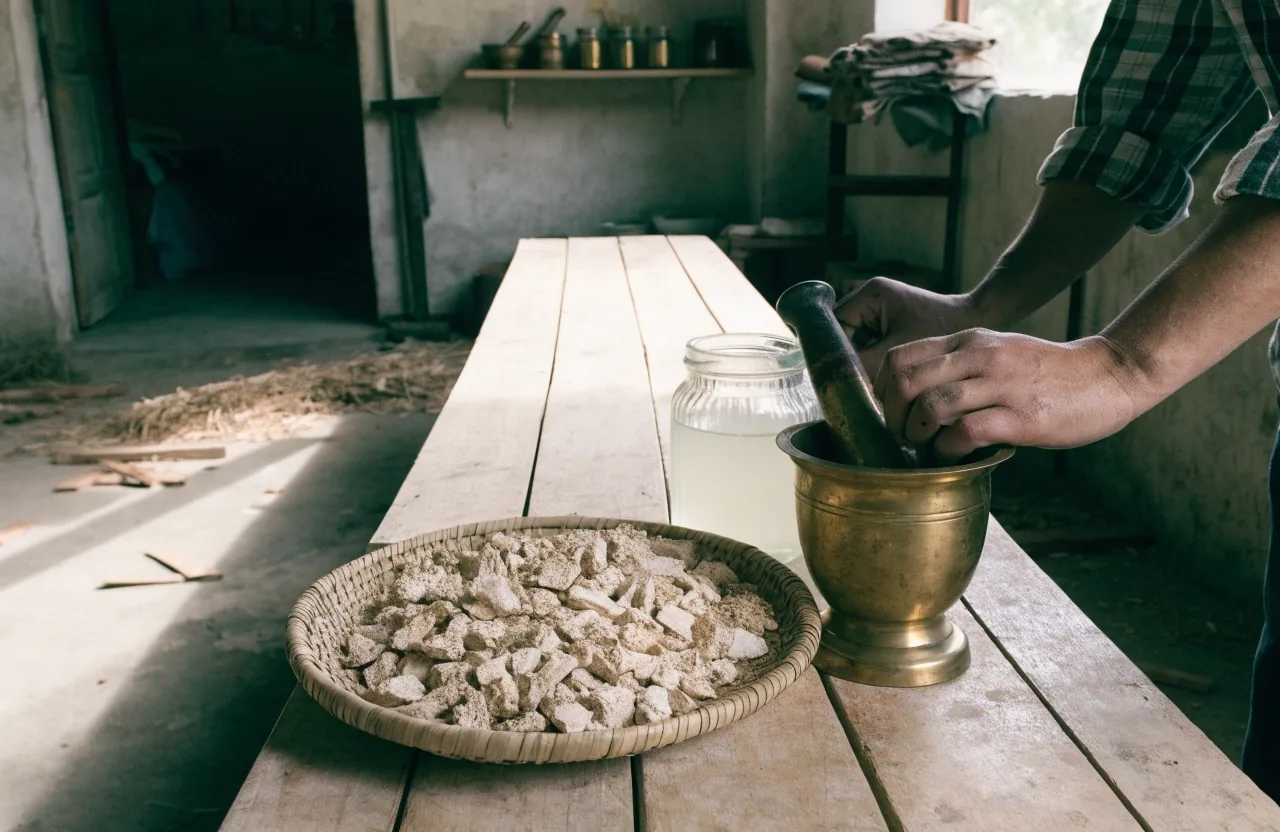
Dried tongkat ali root shavings and a steel scoop on a bench in a herbal workshop

Primapria · Ingredient Guide

The names on the back of the bottle

Inside the botanical blend ingredients men actually buy

Ashwagandha, tongkat ali, maca root, tribulus, saw palmetto, lion's mane. What each one is, how it usually shows up on a label, and why formulators pair them the way they do.

Root extract Real amount

A plain-language companion to the shelf, not a promise about it

Why botanicals lead the category

Products get named after their headline extract. The blend is built outward from there.

The men's supplement aisle in Indonesia is driven by botanical identity more than by nutrient content. An Indonesian shopper browsing natural supplements for men learns the plant names first and the formulation details second, if at all. That is not a criticism of the category — it is simply how the shelf teaches its vocabulary.

HEION Ashwagandha+ is a clean example of the pattern. The adaptogen is the product identity, not a supporting note in a long panel: it sells as a 60-capsule daily item rather than a targeted formula. Most popular products for men in this market follow the same logic — one recognisable plant on the front, everything else arranged behind it.

Knowing what each extract is used for, and how it usually appears inside a blend, puts you ahead of most product pages you will read. You do not need a formulator's training to tell a specific label from a vague one. You need amounts.

The six you meet fastest

Each botanical, and how it actually shows up

Ashwagandha

Root extract

Ashwagandha is the adaptogen you will see most often in men's daily support products, both locally and in imported lines. Formulas that include it usually position the product as everyday support rather than a short-term boost — a daily habit rather than a switch you flip.

Two things are worth checking. First, whether the extract strength is stated in milligrams or hidden inside a proprietary blend. Second, whether the product is built around ashwagandha or just includes a small amount as a label name.

What to look for

A 60-capsule product where ashwagandha leads the panel reads differently from a multivitamin with a token inclusion. On the label, watch for a standardization note or an extract ratio — both say more than the plant name alone.

Tongkat ali

Regional root

Tongkat ali is a regional botanical that Indonesian shoppers already recognise, which is why it turns up so often in local men's listings and in energy and endurance formulas. It is rarely sold as a standalone extract; in marketplace results it usually arrives bundled with other botanicals.

That bundling is worth understanding. When tongkat ali, maca and tribulus appear in one formula, the blend is being built around a category story rather than a single ingredient. Nothing is wrong with that — it just means the panel matters more than the product name, because the name only tells you one of the three things inside.

Why it travels in packs

Vitality and endurance positioning is easiest to sell when several familiar names share the bottle. Read the amounts per extract, not the count of extracts.

Maca root

Root vegetable extract

Maca root is present in a lot of local men's supplement listings and is almost always blended. The typical combination is maca with tribulus, tongkat ali and ashwagandha. It shows up through e-commerce channels as much as pharmacy shelves, which says something about how the ingredient is bought: online, by name, often on the strength of what it is paired with.

Maca is a root vegetable extract, so it is usually dosed higher than concentrated botanicals. If a blend lists maca at a low milligram amount while leading with its name on the front, that is a signal worth noticing. Compare the number against the other extracts in the same panel.

Dose reality check

As a whole-root ingredient, maca takes up more of the capsule than a concentrated extract does. A low milligram figure under a maca headline is the contradiction to look for first.

Tribulus and saw palmetto

Two different lanes

Tribulus is a familiar name in stamina-style blends and appears alongside maca and tongkat ali in multi-ingredient products. Saw palmetto occupies a slightly different lane. It shows up in men's health support formulas with a specific positioning rather than as a general vitality ingredient, and it tends to appear in products that already have a defined men's health angle.

Both are easy to spot on a panel and hard to judge without amounts. When a blend lists several extracts and discloses only the total weight, you cannot tell whether tribulus is a real contributor or a rounding error. That is the single most common label problem in this category.

The total-weight trap

One disclosed number for five extracts tells you the size of the pile, not the size of any single spoonful. Ask for the per-ingredient amount before you compare two blends against each other.

Lion's mane and the adaptogen cluster

Capsule format

Lion's mane has moved from niche to regular in men's listings, usually grouped with ashwagandha in what reads as an adaptogen cluster. Products built this way tend to lean on daily support and focus-adjacent language, and they usually arrive in capsule format.

The cluster approach is convenient for shoppers because it puts familiar names in one bottle. It is also where ingredient counts start to inflate. Natural capsules for strength and vitality usually carry four or five extracts; when the panel runs longer, the extra names are often there for the label rather than the dose.

Formula or list?

Four extracts at meaningful amounts is a formula. Eight extracts at token amounts is a list. Reading the amount per ingredient is the only way to tell which one you are holding.

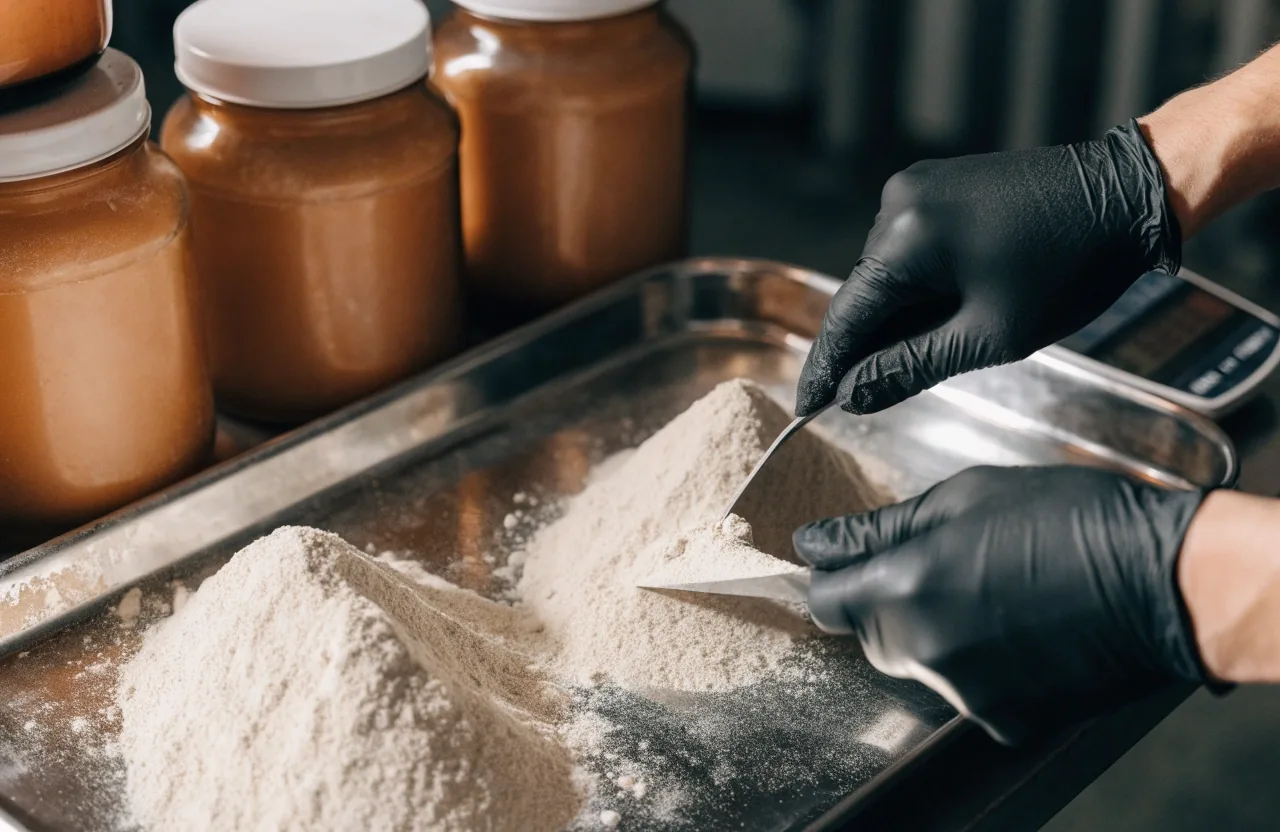
Loose botanical powder in measured mounds, amber jars and a steel spatula on a formulation bench

How blends are built

You can usually read a formula's intention from the order of the panel — the lead extract carries the dose, the rest carry the story.

A blend that works

One or two lead extracts at meaningful amounts, supporting ingredients underneath, and nutrients where the botanical approach leaves a gap. That is why vitamin B complex, zinc, magnesium and vitamin D share panels with plant extracts — B-complex in particular is framed as daily energy and metabolic support in many Indonesian men's vitamin descriptions, and it sits comfortably beside botanical ingredients.

A blend that does not

It works backward from the label copy. The front names three botanicals, the back hides everything in a proprietary mix, and the serving size is vague. You do not need laboratory training to spot the difference — you need amounts, and this page is where you learn which amounts to ask for.

Single ingredients vs. blends

Single-ingredient products exist for a reason: they let you test one variable. If you want to know how tongkat ali or ashwagandha fits your routine, a standalone product gives you a clean answer. A blend makes that impossible because everything changes at once.

Blends have the opposite advantage. They are convenient, usually cheaper per ingredient, and easier to keep consistent. For a daily multivitamin habit, a blend is often the practical choice among vitamins and minerals for men. For figuring out what actually matters to you, singles are faster.

Most experienced users end up with one of each: a broad daily base and one specific extract they are testing. That is not a compromise — it is the shape a settled routine tends to take.

Goal: find what works

Start with a single extract. One variable, one answer, and you can stop if it does not suit you.

Goal: keep a habit

A blend covers more ground per capsule and is easier to repeat every morning without thinking about it.

Goal: cover nutrients

Botanicals do not replace vitamins and minerals. A men's vitamin formula and a botanical blend are doing different jobs, even when they share a shelf.

Goal: keep cost sane

Blends spread the cost across several ingredients. Singles cost more per plant, but you only pay for what you are testing.

Reading extract names on a label

Extract names carry information if you know the format. "Root extract" is not the same as "root powder." A standardized extract note means the manufacturer is promising a minimum level of a marker compound, which is more specific than an unspecified extract. Ratios like 10:1 describe concentration, though they say nothing about the extraction method or the final dose.

None of this requires you to become a formulator. It requires you to notice when a label is specific and when it is vague. Specific labels are not automatically better products, but they are the only ones you can evaluate against each other.

A hand lifting an amber supplement bottle from a shipping carton on a kitchen counter

Online listings sell the name first. The panel is where the name either holds up or does not.

Questions we hear most

Straight answers before you buy

Which botanicals are most common in Indonesian men's supplements?

Ashwagandha, tongkat ali, maca root, tribulus, saw palmetto and lion's mane appear most often, usually in blends rather than as standalone products. Ashwagandha and tongkat ali are the two you will encounter fastest when browsing local listings — partly because both already have name recognition in this market.

Is a blend better than a single-ingredient product?

It depends on your goal. Blends are convenient and easier to keep consistent, which suits a daily habit. Singles let you test one extract at a time without other variables changing. If you are new to botanicals, testing singles first tells you more, and you can move to a blend once you know which plant earns its place in your routine.

Do botanical ingredients replace vitamins and minerals?

No. They sit alongside them. Many men's formulas include B-complex, zinc, magnesium and vitamin D precisely because botanicals do not cover those needs. A botanical blend and a multivitamin are doing different jobs, even when they share a shelf — which is why reading both panels matters more than picking a favourite bottle.

Should I talk to a professional before starting a formula?

If you take prescription medication or manage an ongoing health condition, yes — bring the panel to a pharmacist or doctor before you add anything to your routine. These products are dietary supplements, not medicines, and they are not intended to diagnose, treat, cure or prevent any condition. A qualified professional can tell you whether a specific extract fits alongside what you already take.

Amber supplement bottles and jars of dried roots on a shelf behind a pharmacy counter

Take these ingredients to the next panel you read

You now know the six names that carry most Indonesian men's listings, the amounts worth checking, and why nutrients like B-complex, zinc, magnesium and vitamin D keep appearing beside plant extracts. The next step is comparing real formulas against those criteria — or checking a label you already have at home against a written list.

Primapria

Questions about a specific extract before you buy? Our team answers product-information queries during working hours, Monday to Friday, 09:00–18:00.

Jl. Diponegoro No. 152, Darmo,
Wonokromo, Surabaya, 60241

Primapria publishes ingredient and label guidance for natural supplements for men. Products referenced in this guide are dietary supplements, not medicines, and are not intended to diagnose, treat, cure or prevent any disease. If you take prescription medication or manage a health condition, speak with a qualified professional before adding a supplement to your routine.